
Relief in weeks, not months or years
What is the MeRT process?
You don't have to wait to begin treatment. After your initial assessment you can get started as soon as that same day.

Find a provider
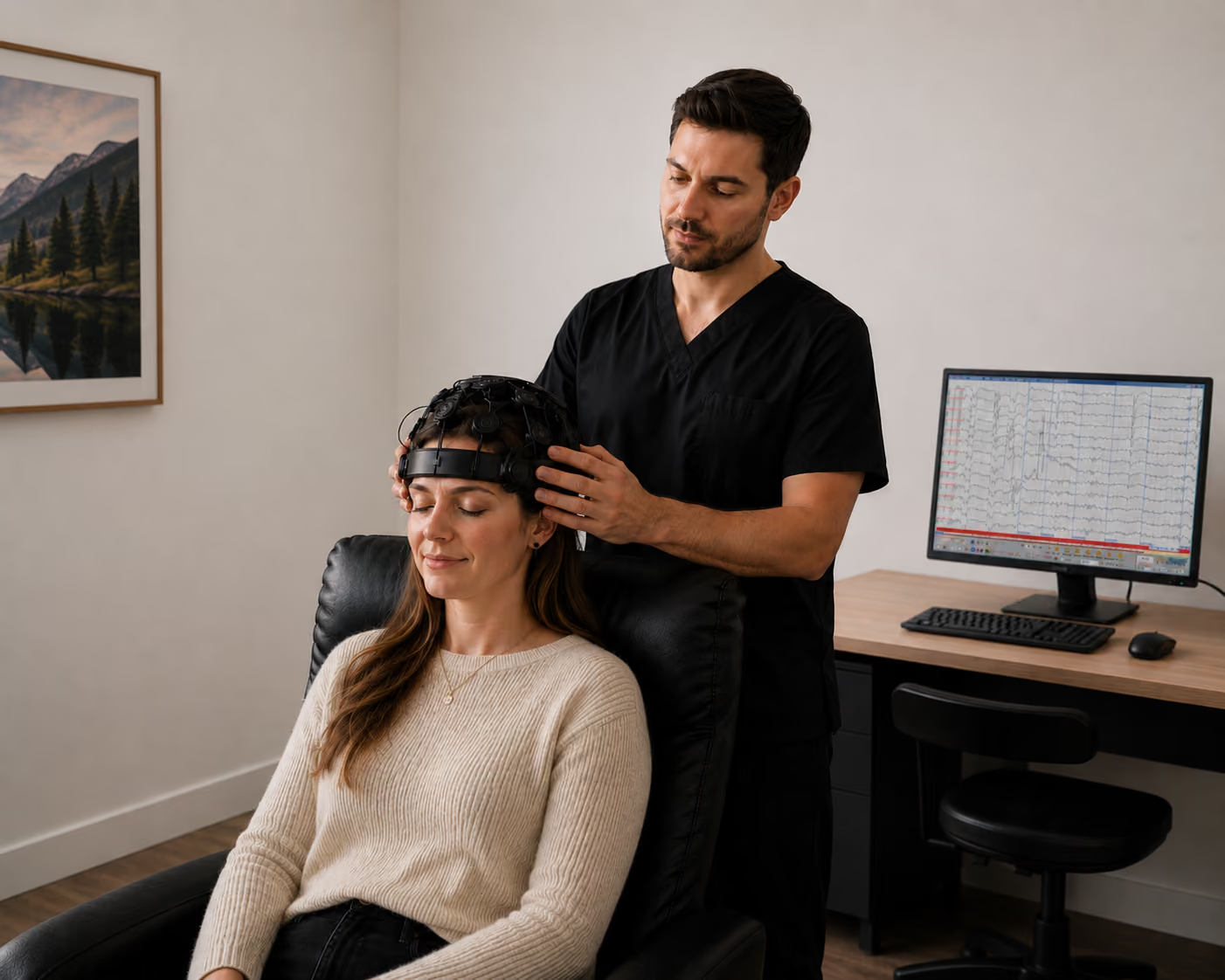
Get a brainwave scan
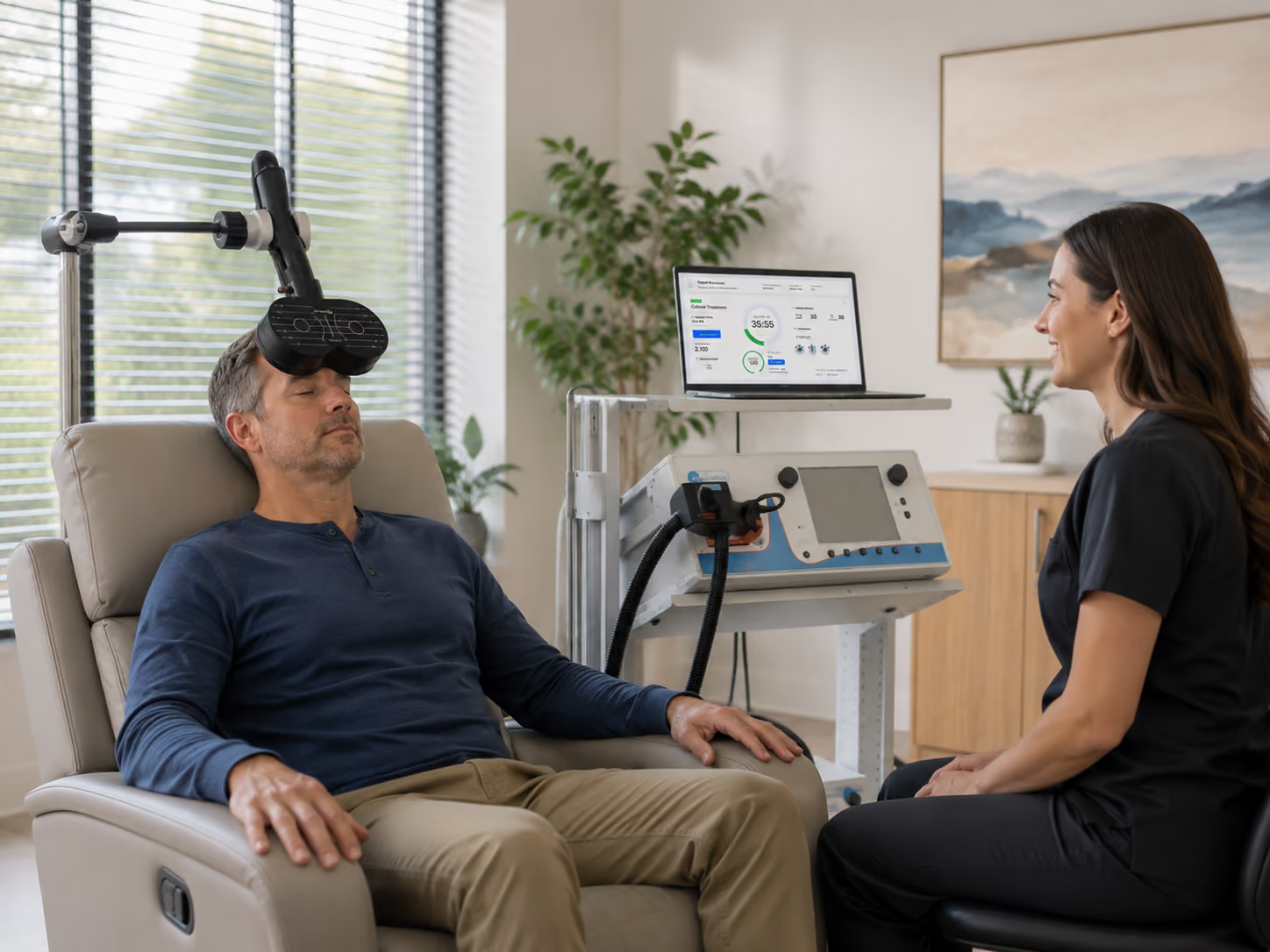
Receive Personalized TMS Sessions
During each session, you'll simply sit comfortably while the magnetic stimulation gently guides your brainwaves to a more synchronized, natural rhythm based on your personalized treatment plan.
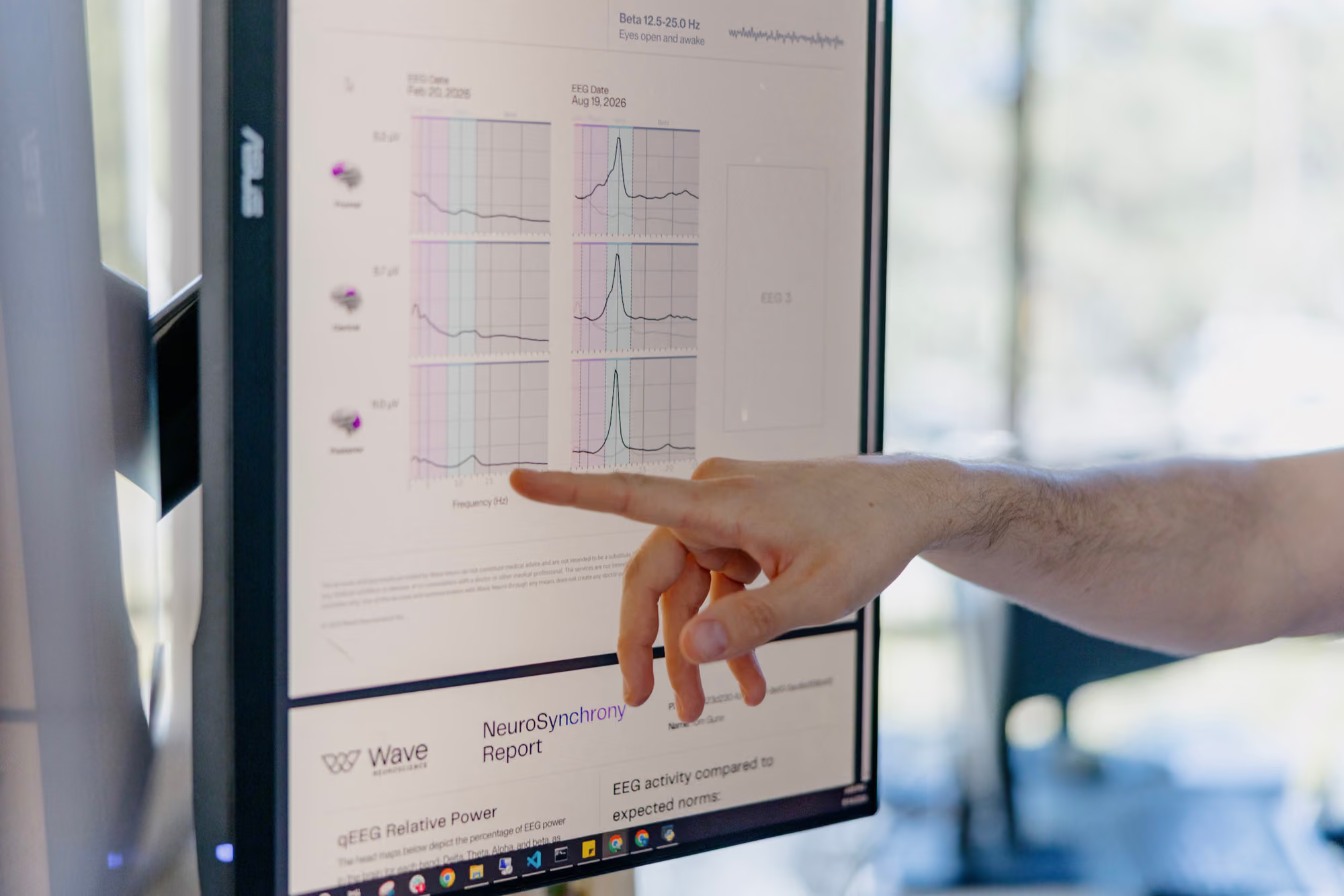
MeRT doesn’t just treat- it measures
Your MeRT experience begins with an EEG assessment to understand your brain’s unique patterns of activity. Additional assessments throughout treatment allow your provider to objectively track changes in brain activity and use those insights to adjust your treatment protocol as needed.
Frequently asked questions
Choose a provider who makes you feel comfortable and takes time to answer your questions. You may also want to ask about clinical experience, scheduling, costs, insurance, and how progress will be measured.
Yes. A qualified provider will review your symptoms, health history, medications, treatment goals, and possible risk factors before making a recommendation.
You may want to ask about eligibility, treatment length, potential risks, expected costs, insurance coverage, how progress is measured, and what happens after treatment ends.
No. An EEG is painless. The sensors only listen to and record your brain activity; they do not send electricity into your brain.
The most common side effects of TMS are temporary headache, scalp sensitivity, facial muscle movement, or light-headedness. These effects are generally mild and often improve as your body becomes familiar with treatment.
Do not stop or change any medication on your own. Speak with the healthcare provider who manages your medication before making any changes.
Often, yes. Many people continue psychotherapy, medication, or other forms of care while receiving MeRT. Your healthcare providers can work together to support your overall treatment plan.
Treatment is often scheduled five days per week for several weeks. Your provider will recommend a schedule based on your individual needs and response.
Treatment length varies from person to person. Your provider will consider your symptoms, health history, EEG findings, and response to treatment when recommending the right course for you.
Some implanted metal or electronic devices may affect treatment eligibility. Be sure to tell your provider about any implants, devices, prior surgeries, or metal in or near your head so they can evaluate your situation safely.
Closing your eyes helps reduce outside stimulation and allows you to remain in a calm, relaxed state. Your technician will guide you through the process.
The duration of improvement varies from person to person. Your provider will continue to evaluate your progress and can discuss whether additional care may be helpful in the future.
Attend your appointments consistently, prioritize healthy sleep, stay hydrated, and communicate openly with your provider. Let them know about changes in symptoms, medications, sleep, or overall health.